From Note to Narration
Play now. Write later: a scene-based solo RPG notation workflow

Are you the type of solo RPG player that likes to narrate your plays? Based on my own question, and one done by Whiskey, Blood and Dust, a fair share of the community here that posts Actual Plays like to narrate their stuff, and from what I’ve gathered, a vast majority of us like to narrate as we play. Narration often takes more time than just jotting down some quick notes and moving on, so what do you do, if you know you have a short slot of time, but not enough to narrate a full session? Read on, and I’ll show you an example of what you can try.
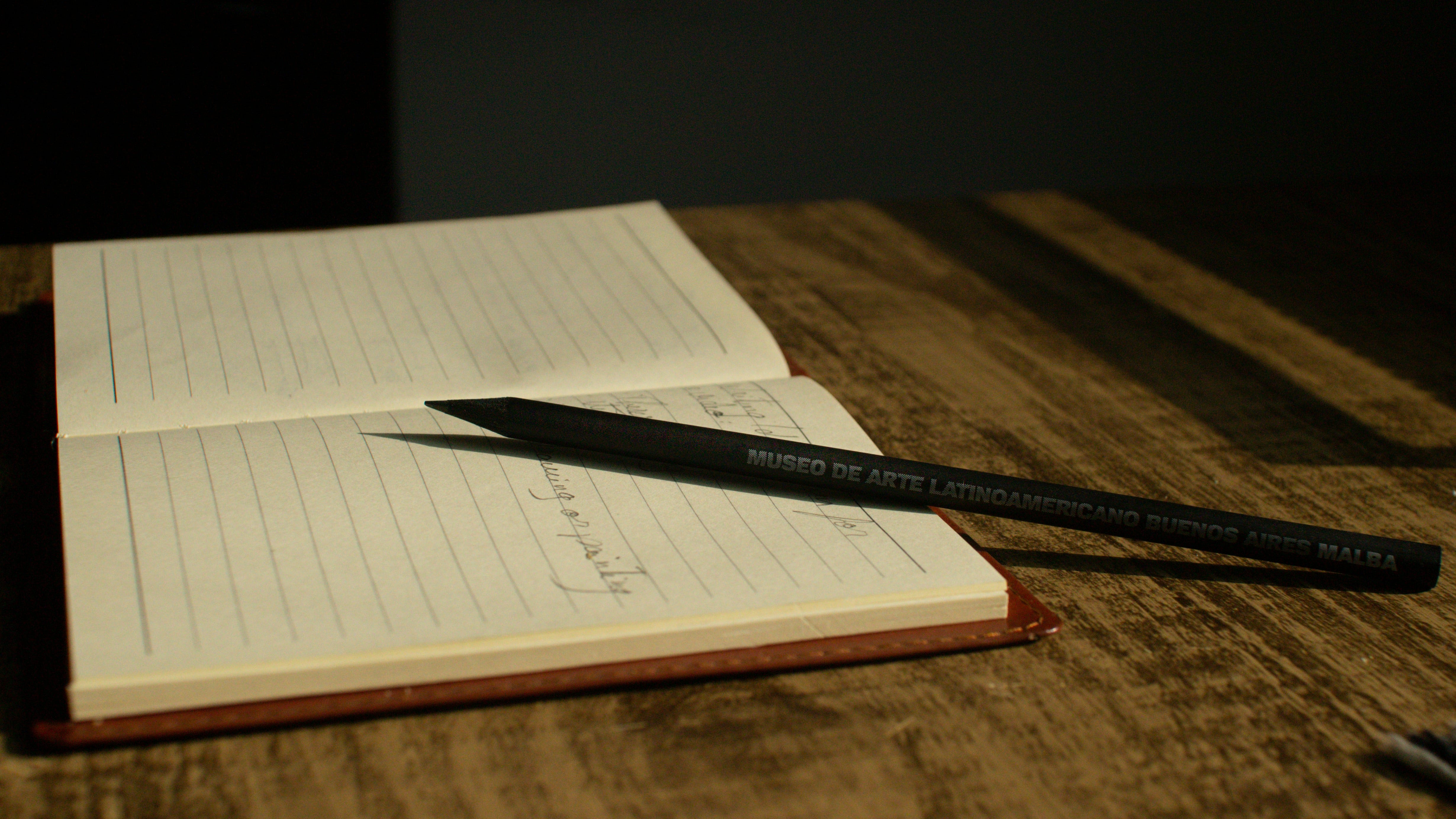
Enter the Solo RPG Notation
A while ago, I read an article by zeruhur, where he describes something he calls Solo TTRPG Notation. I won’t go into too much detail here—it’s free, and you can download the document and read it for yourself (the link is in the original article).
Now, to be frank, I’m still not fully comfortable with the tag system that Loner games use. The good news is: you don’t need tags to get value out of the Notation. You can omit them entirely and still use the rest of the standard.
What clicked for me was that the Notation is scene-based. I’d never really thought about my solo play that way, but once I read the document it was obvious: books and movies both move in scenes, and so do sessions at the table—even when the table is just you. So first, you think about the situation your character is in and what the next scene is about. I’ll use Session 41 of The Redemption of Brynn as an example.
Start by naming the scene based on what’s about to happen:
S1 Brynn decides which site to go to first
Then, instead of narrating everything—dialogue, internal monologue, and every twist in real time—you play the scene out in your head and only write down what you’ll need to remember later. I usually add a sentence or two of context, then record the rolls and results, like this:
Brynn asks Merialeth if she has any input on which site is the right one.
? Does she? (75+ Unlikely)
-> Yes (d100=79)
+1 bonus to the site she picks for Gather Information
? Whose side will she be on? (1-33 Sariandri, 34-66 Delsanra, 67-100 Tiriana)
-> Delsanra (54)
Brynn decides to try Abyssal Fortress first
Adventure move: Follow a Path
d: 6+4 (Supply)+0=10 vs 3 | 1 => Strong Hit
+1 momentum = 5
This would have concluded the scene—Brynn found out where to go, and Followed a Path to get there. It makes sense for the next scene to be about the arrival. And since there was no guarantee it was the correct site, that will be the main thing to figure out in this scene:
S2 Arrival at Abyssal Fortress, investigate if it’s the right one
They find the site without any problems
Adventure move: Gather Information
d: 5+2 (Wits)+2 (Marou’s keen senses, Merialeth)=9 vs 8 | 2 => Strong Hit
+2 momentum = 7
? Action
-> Depart (d100=97)
? Theme
-> Faction (d100=44)
They do find evidence that the Cinders had been there, but they’ve left in a hurry—the site is abandoned. Marou can track their scent easily and the next site they will go to is the right one. The tracks lead towards The Hall of Zakaria.
I had trouble envisioning what “helpful” thing they found when Gathering Information, and rolled on the Action and Theme tables, and got Depart Faction. This, I interpreted could only mean one thing: the Crimson Cinders had been there, but had already left, but they also left clear traces to where they were heading. And so the next site would be the correct one, no matter what, but Brynn & co. would still have to make chase to catch them. And that’s the focus of the third scene:
S3 Arrival at the Hall of Zakaria
Adventure move: Follow a Path
d: 4+4 (Supply)+0=8 vs 6 | 9 => Weak Hit
Suffer move: Endure Stress
-1 Spirit = 4
d: 2+4 (Spirit)+0=6 vs 1 | 3 => Strong Hit
Embrace the Darkenss: +1 momentum = 8
After some stressful manouvering to avoid detection, they eventually make it to the Hall of Zakaria undetected.
Delve move: Discover a Site
Hall of Zakaria (Forfified Underkeep)
New progress track: Find Alyndra (Dangerous)
Adventure move: Secure an Advantage
d: 5+2 (Wits)+0=7 vs 5 | 5 => Strong Hit with Match
Take control: +1 to next move
They find a young, wounded Cinder, barely more than a boy, left behind. He not only tells them where they’re taking Alyndra (confirming she’s still alive), but that they are fighting amongst themselves. Ayda wants to make her sister a martyr. He also tells them where the entrance is.
Delve move: Delve the Depths
? Feature
tbl: d100=3 => Camp or quarters
d: 3+2 (Wits)+1 (From Secure an Advantage)=6 vs 3 | 10 => Weak Hit
tbl: d100=15 => Mark Progress and Reveal a Danger
[Track:Find Alyndra 2/10]
Delve move: Reveal a Danger
d: 99 => roll twice more, both happen
d: 74 => A discovery undermines or complicates your quest.
d: 85 => Your way is blocked or trapped
As they enter the Hall of Zakaria, the first area is quarters where the Cinders are sleeping. It’s empty for now, but the only door forward that they can find is locked.
All in all, these three scenes took me about 1.5 hours to play out. Had I been narrating as I went, I’m pretty sure I’d have only gotten through Scene 1—and maybe part of Scene 2. With Solo Notation, I still captured everything that mattered: the intent of each scene, the important beats, and the rolls that shaped what happened. A few days later, turning that into a 2000+ word narrated session was easy, because I could clearly remember what I was thinking at the table. The finished version is here.
Key Takeaways & Questions
The main benefit of using Solo Notation for me is that it removes what I call decision fatigue. When you narrate as you go, you’re constantly context-switching: play → prose → edit → play. Solo Notation keeps you in “play brain” longer, which leads to faster scenes, clearer choices, and fewer stops just because you’re tired of writing.
It’s also quick. If I only have 10–20 minutes, I can still set the scene, ask a couple of questions, and roll a handful of dice—without feeling like I need enough time to write “properly.”
On the other hand, narrating as you go is great for capturing mood and tone in the moment. But you can preserve a lot of that with simple mood tags in your scene header. For these scenes, it might’ve been: S1 [indecisive], S2 [uneasy], S3 [stressful].
This was my second time using Solo Notation and I really enjoyed it. That said, I don’t always use it—not by a long shot. Most of the time I still prefer to narrate as I play.
One more upside I neglected to mention: retconning is painless. I don’t do it often, but when I do (and I usually do a pass before publishing), it hurts way less to adjust notes than to rewrite paragraphs I already spent time polishing. It also acts as a continuity log—I’m less likely to lose threads between sessions.
I’d love to see what your minimum notes look like—what’s the smallest amount you can write down and still narrate it later? Comment down below!
And do let me know if you decide to try out this style of narrating.
I definitely lean more toward writing the full narrative as I play, to me it helps me immerse myself MORE in the fiction, rather than detracting. Of course, it probably helps that my writing style is pretty terse and punchy anyway!
But I can see the value in being able to squeeze more into a shorter session, say at a lunch break or before bed! I’ll have to give it a try.
Completely missed this great post of yours! Thank you for having Lonelog covered, with a clear and insightful example